
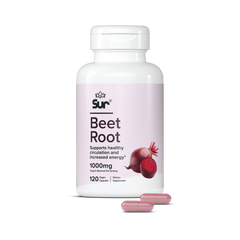
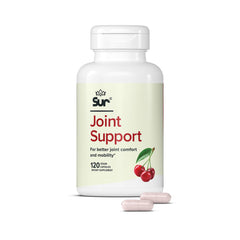

Eating a high-fiber diet and incorporating gut-health nutrition products can improve digestion, support beneficial gut bacteria, and help maintain balanced blood sugar and cholesterol levels. Adding fiber gradually, choosing the right foods, and pairing them with plant-based nutrition supplements can help you get more fiber in your diet while promoting overall wellness. Research also shows that a plant-based diet and gut health are closely linked, with diverse plant foods feeding the microbiome and contributing to digestive resilience.
The Benefits of Fiber
Fiber plays a crucial role in supporting digestive health, preventing constipation, and feeding the beneficial bacteria that make up your gut microbiome. It can help regulate weight, reduce inflammation, and lower the risk of chronic diseases such as heart disease, diabetes, stroke, colorectal cancer, and possibly dementia.
The vast majority of Americans do not get enough fiber, with estimates suggesting less than 10% meet the recommended daily intake. The average adult consumes around fifteen grams of fiber daily, which is very short of the twenty-five to thirty-five grams recommended. This is largely due to diets high in processed foods and low in whole grains, fruits, vegetables, and legumes.
There are two main types of fiber, each serving a distinct function:
Insoluble fiber adds bulk to stool, promoting regular bowel movements and preventing constipation. It is found in whole grains, leafy greens, nuts, and fruits with edible skins.
Soluble fiber dissolves in water, forming a gel that slows digestion. This process helps regulate blood sugar and cholesterol levels. Sources include oatmeal, chia seeds, apples, beans, and avocados.
Refined or processed foods often have much less fiber because the bran and outer coatings are removed during processing. Similarly, peeling fruit or drinking juice removes natural fiber content.
Fermentable fiber is especially important for gut health. It feeds beneficial bacteria in the microbiome, helping support digestion and immune function. Including a variety of fiber-rich foods is key to nurturing a balanced microbiome, which has benefits beyond digestion, such as improved energy and mental wellbeing.
How to Increase Fiber Intake
The average adult requires about thirty grams of fiber per day, although this can vary depending on age, gender, and health status. Most adults consume only about half of the recommended amount. The good news is that getting more fiber in your diet is achievable with a few simple strategies.
Start the day with a fiber-rich breakfast, such as oatmeal topped with blueberries or chia seeds, instead of processed cereals high in sugar. Snacks can be opportunities to increase fiber intake, like choosing an apple or a handful of almonds rather than chips. For lunch and dinner, add one or two servings of vegetables to your plate.
Replacing low-fiber ingredients with higher-fiber options can make a noticeable difference. Use whole-grain bread instead of white bread for sandwiches, eat whole fruit instead of drinking juice, and include legumes such as peas, beans, or lentils in soups and salads. Snacking on raw vegetables, popcorn, or nuts also contributes valuable fiber.
Most high-fiber foods provide a mix of soluble and insoluble fiber, which supports digestion and helps regulate blood sugar. Gradually increasing fiber intake allows your digestive system to adjust comfortably and prevents bloating or discomfort.
Supplements to Support Fiber Intake
While whole foods should form the foundation of your diet, supplements can help fill nutritional gaps. Gut health nutrition products that are plant-based can provide consistent fiber intake and additional nutrients without the need to consume very large portions of food.
Sur Nutrition offers an Organic Meal Shake that delivers twelve grams of fiber per serving, sourced from fruits, vegetables, and plant protein. Each serving also provides a mix of vitamins and minerals to support digestion, nutrient absorption, and microbiome diversity. Using supplements alongside a fiber-rich diet can help you maintain regular bowel movements, improve satiety, and support long-term gut health.
A supplement is especially useful if you are traveling, managing a busy schedule, or recovering from dietary restrictions. Combining these plant-based nutrition supplements with a high-fiber diet ensures you meet daily fiber needs, nourish beneficial gut bacteria, and support overall metabolic and cardiovascular health.
Making Fiber a Daily Habit
Consistency is key to achieving the benefits of fiber for digestive health. Focus on incorporating a mix of fruits, vegetables, whole grains, legumes, nuts, and seeds each day. Track your intake to ensure you meet recommended amounts gradually, and remember to drink enough water, which helps fiber move through your digestive tract efficiently.
By combining fiber-rich meals, plant-based supplements, and consistent hydration, you can promote a balanced gut microbiome. This approach supports regular digestion, nutrient absorption, immune function, and even mental wellbeing, highlighting the link between plant-based diet and gut health.